Sanibel Island – Sanibel, Florida, USA
- +1 (239) 472-1080
- 1700 Bowmans Beach Rd, Sanibel, FL 33957, USA
- sanibel-captiva.org
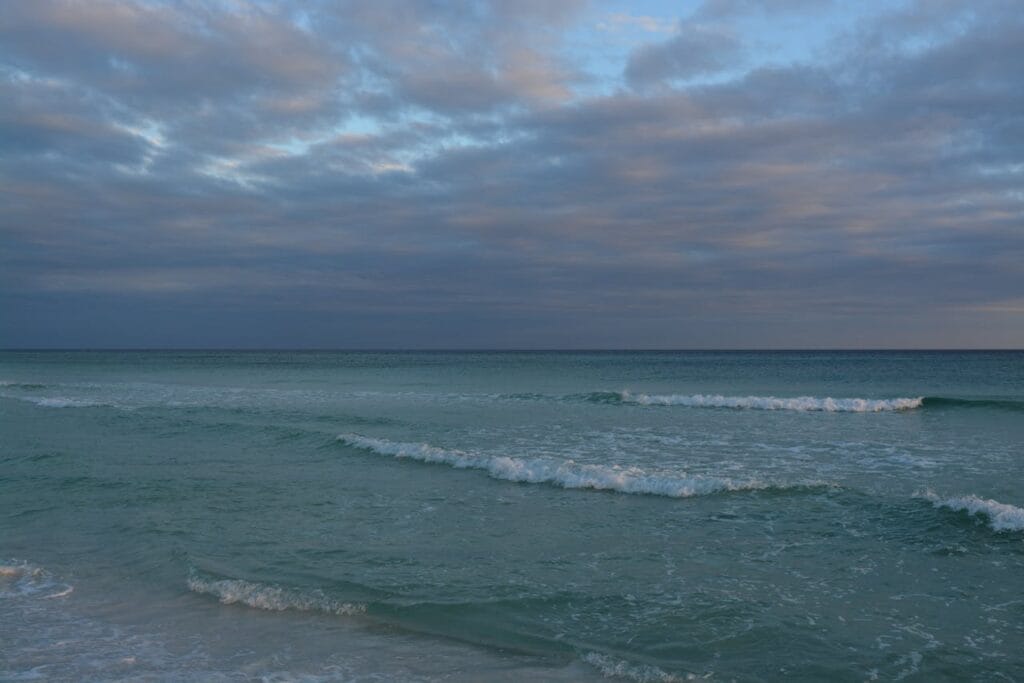
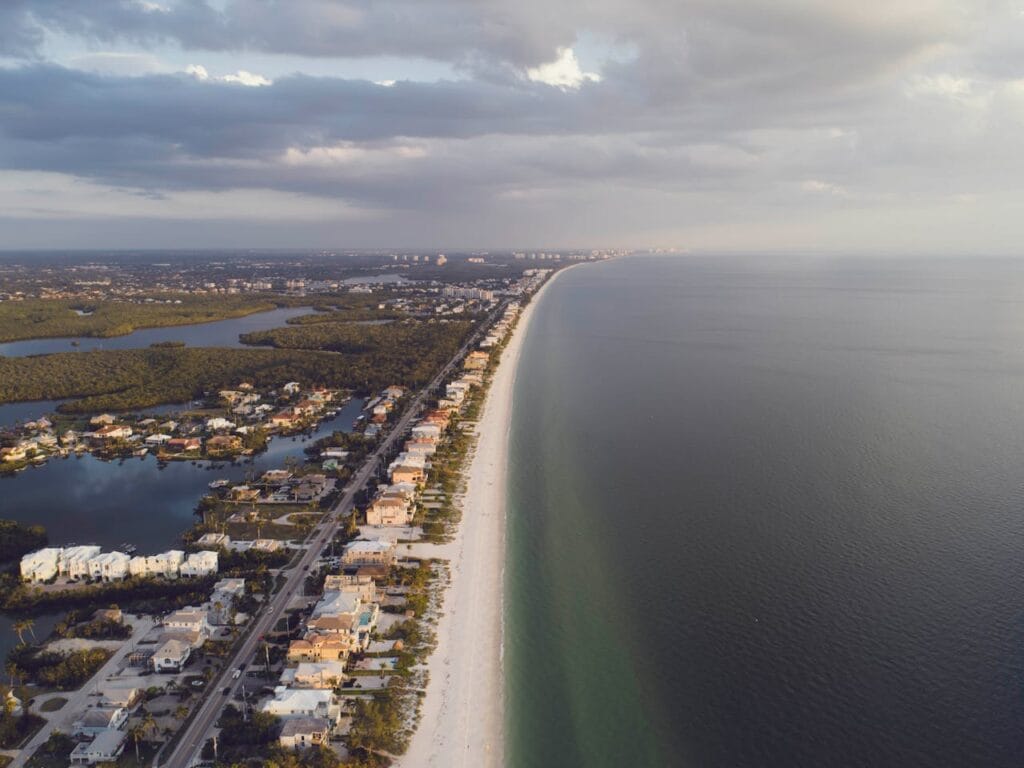
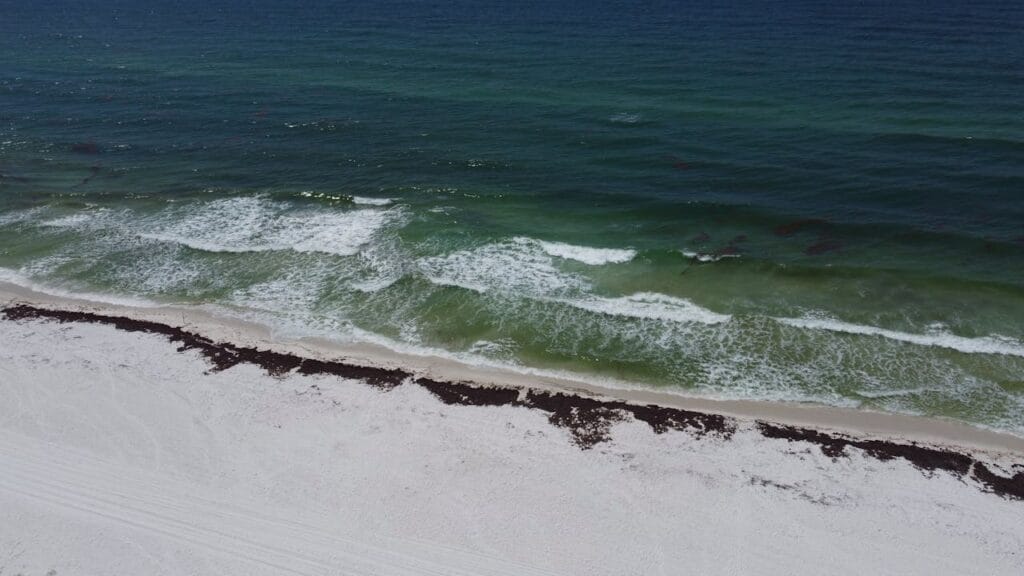
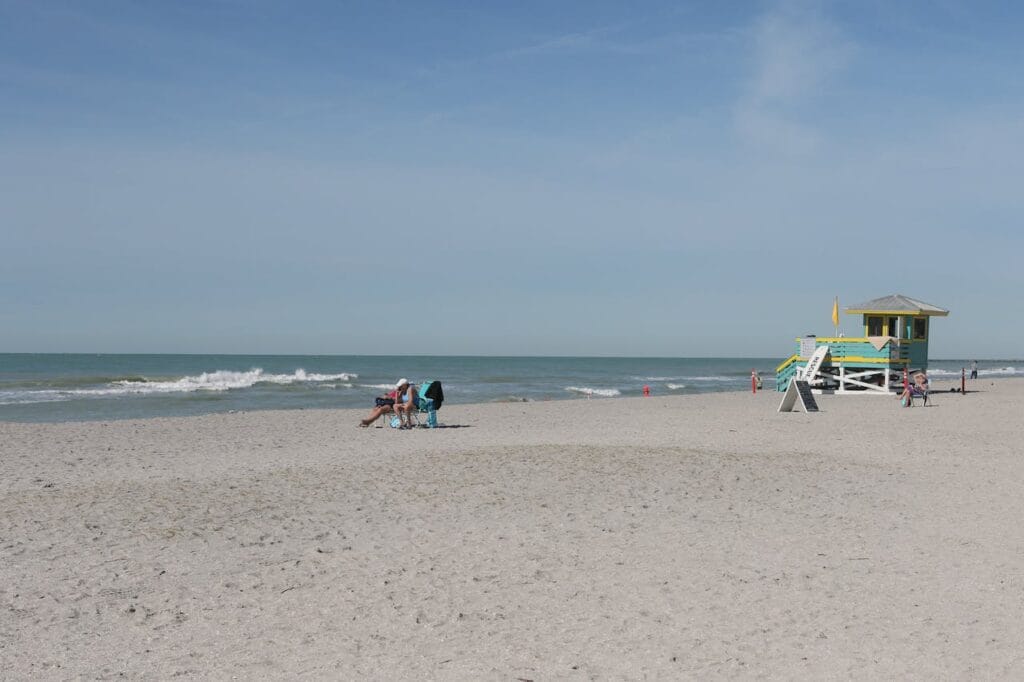
Florida is one of the best shelling destinations in the United States. With thousands of miles of coastline along the Gulf of Mexico and Atlantic Ocean, the state offers many beaches where visitors can find beautiful seashells washed ashore.
Some Florida beaches are especially famous for shell collecting thanks to their currents, geography, and gentle tides. These beaches regularly collect shells carried from deeper waters and deposit them along the shoreline.
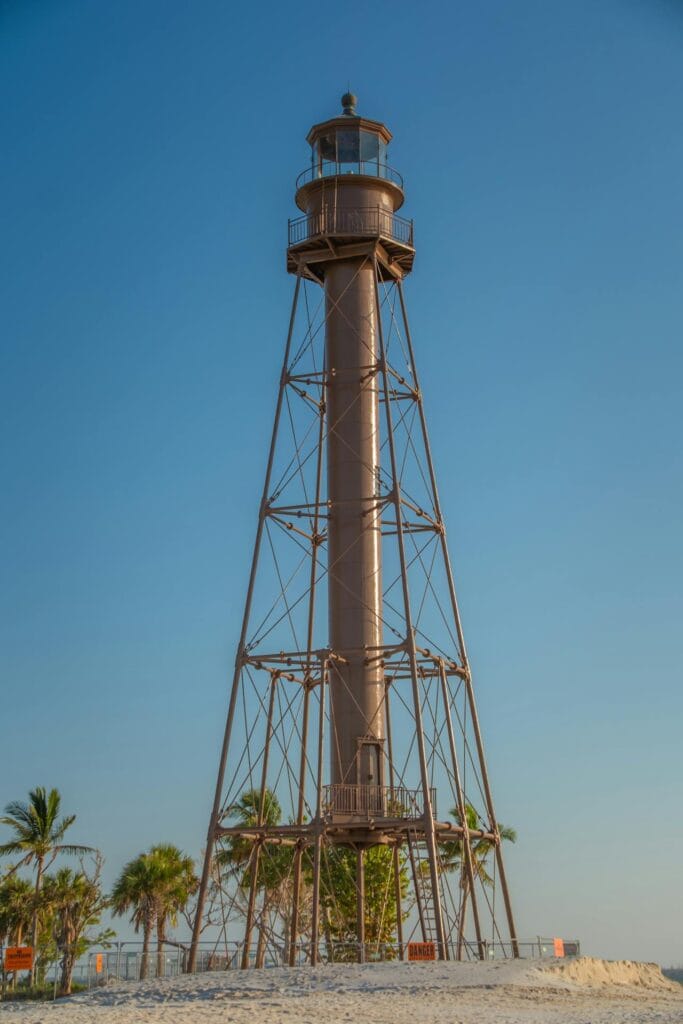
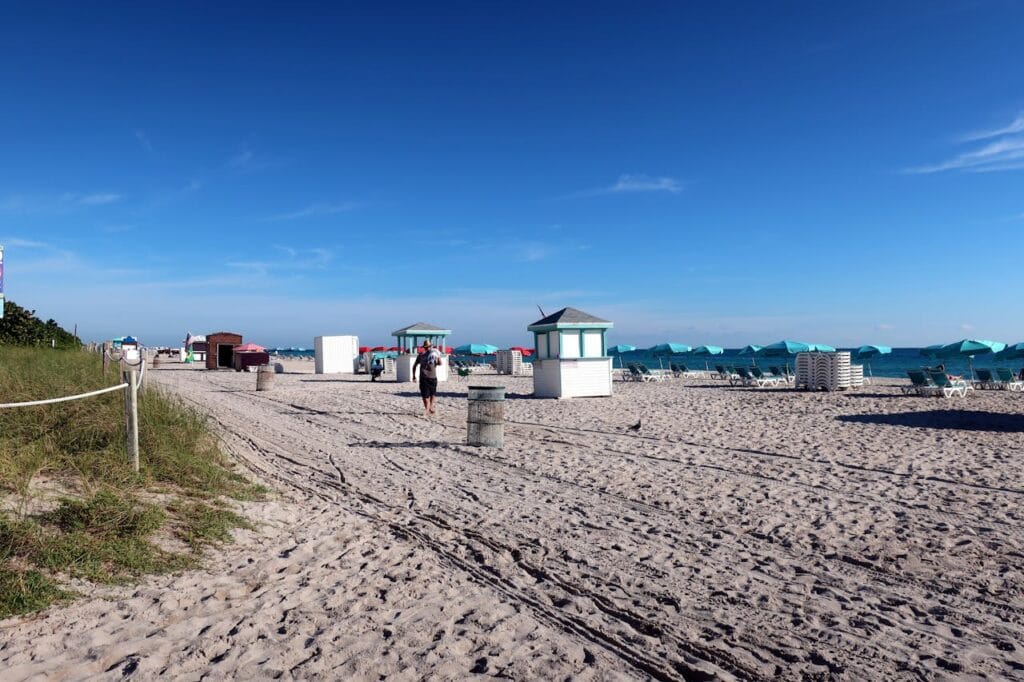
Sanibel Island is widely considered the best shelling destination in Florida. Its east-west orientation causes ocean currents to deposit large quantities of shells along the shoreline.
Captiva Island offers beautiful beaches and excellent shell collecting opportunities. Visitors often find rare and colorful shells along the shoreline.
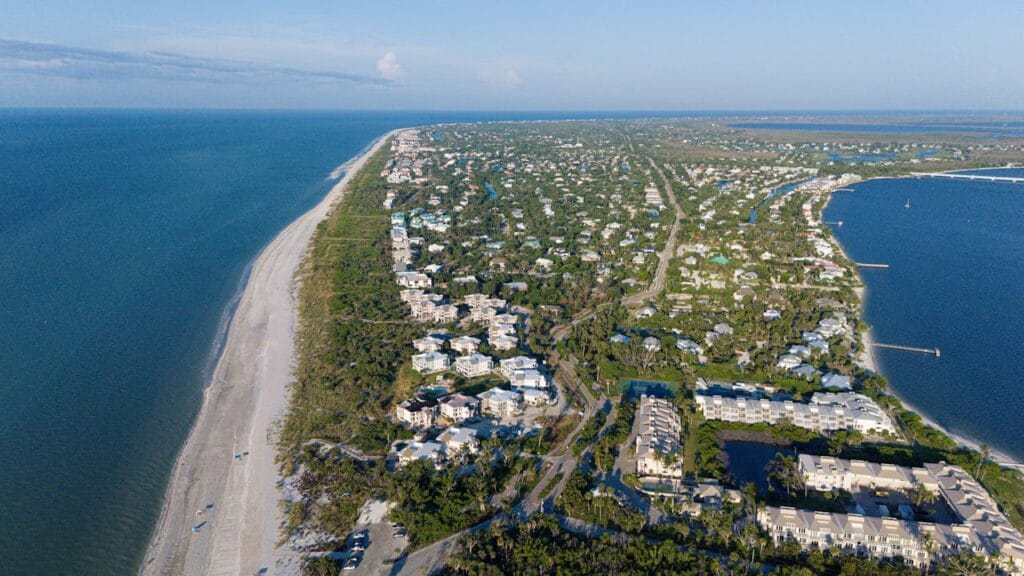
Accessible only by boat or ferry, Cayo Costa Island is one of Florida’s most untouched shelling beaches with long stretches of natural shoreline.
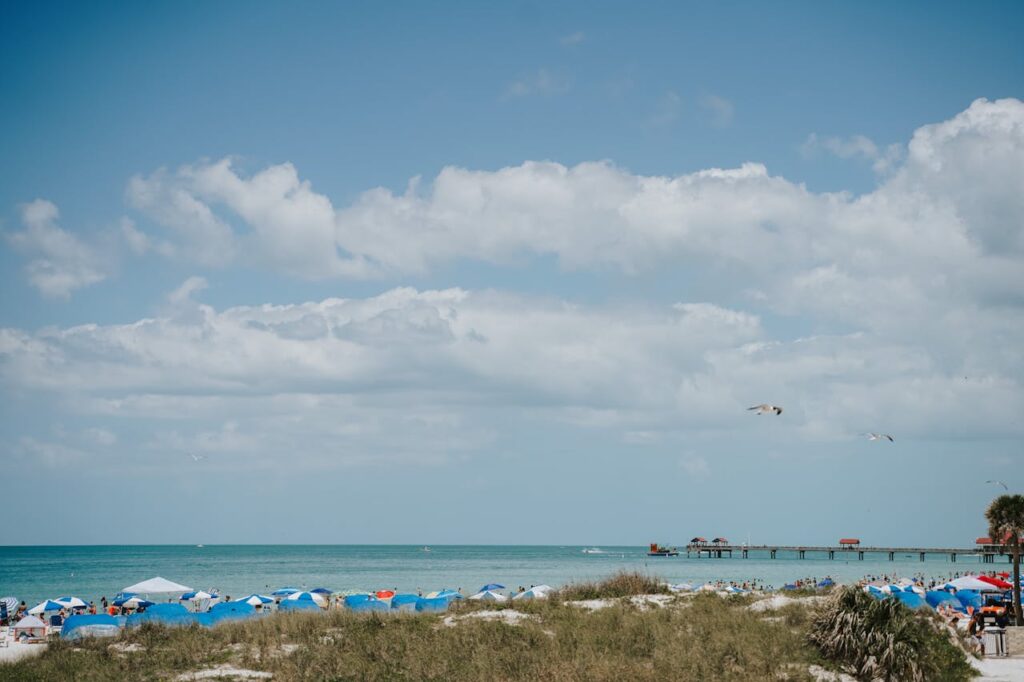
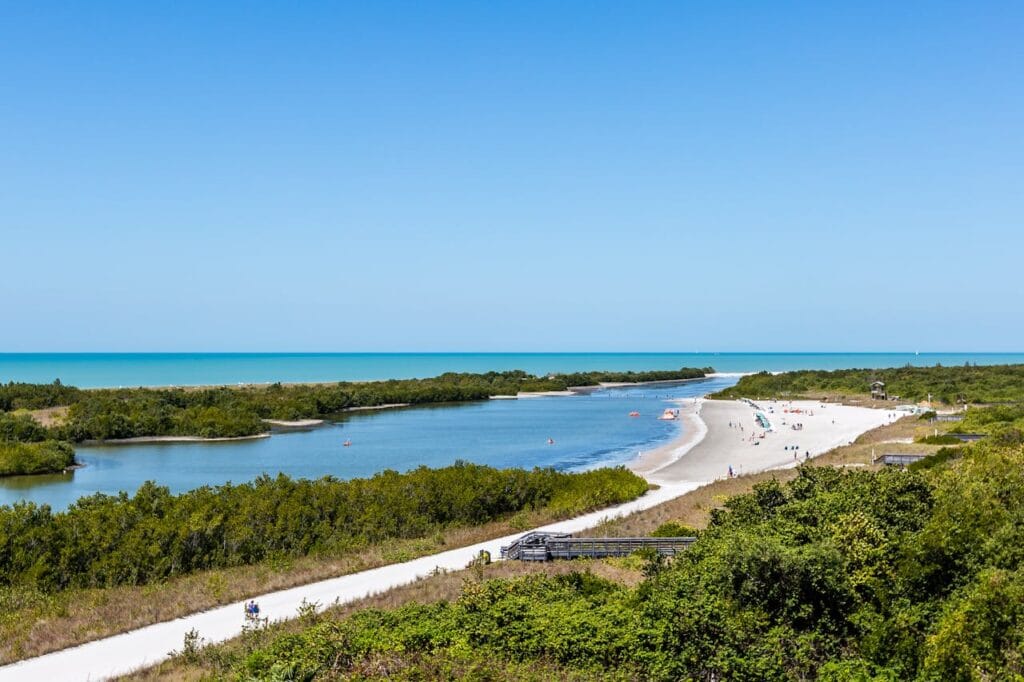
This scenic park near Fort Myers offers peaceful beaches where shells regularly wash ashore after storms and tides.
Located in Florida’s Panhandle, St. George Island offers quiet beaches and strong shelling opportunities away from major tourist crowds.
| Beach | Best For | Shell Variety |
|---|---|---|
| Sanibel Island | Most famous shelling | Very High |
| Captiva Island | Rare shells | High |
| Cayo Costa | Remote shelling | High |
| Lovers Key | State park shelling | Medium |
| St. George Island | Quiet Panhandle beaches | Medium |
The best shelling usually happens during low tide, early morning, and after storms when new shells wash onto the beach.
Winter and spring are often the most productive seasons for shell collecting along Florida’s Gulf Coast.
Turn your beach search into a complete trip — book stays, discover experiences, and prepare like a pro.
Sanibel Island is widely considered the best shelling beach in Florida because ocean currents naturally deposit shells along its shoreline.
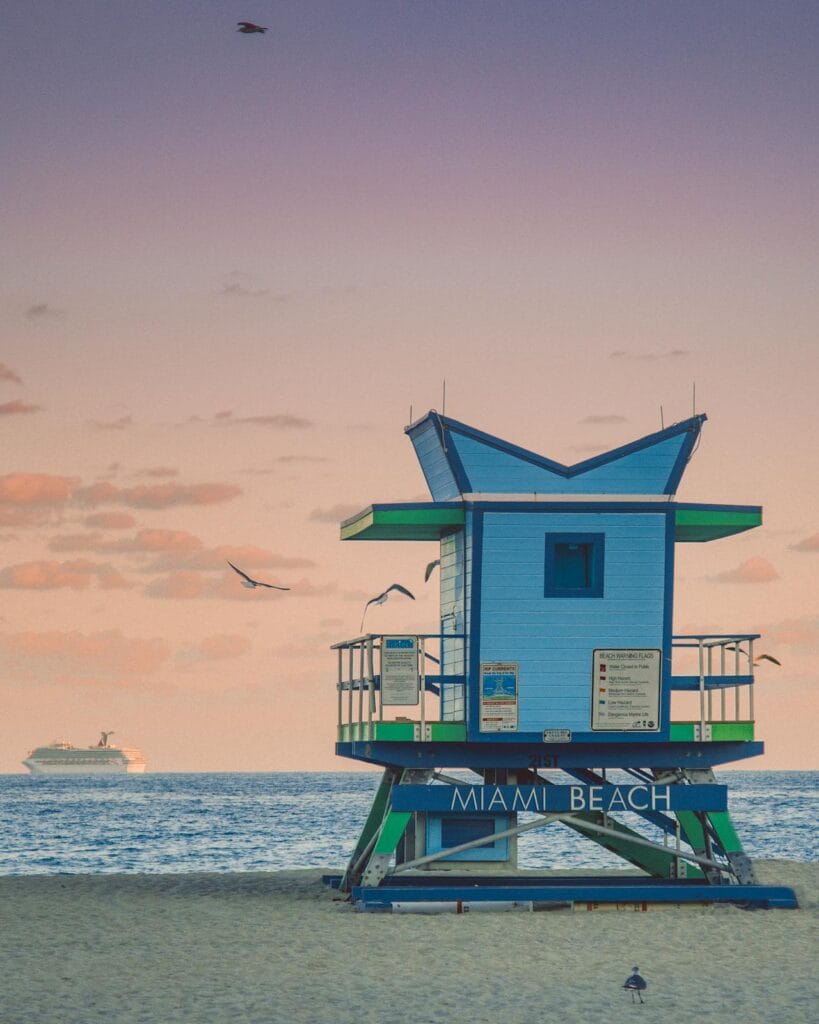
Low tide, early morning, and after storms are the best times to find seashells.
Yes, but live shells containing living animals should not be collected. Always follow local regulations.