
About This Beach
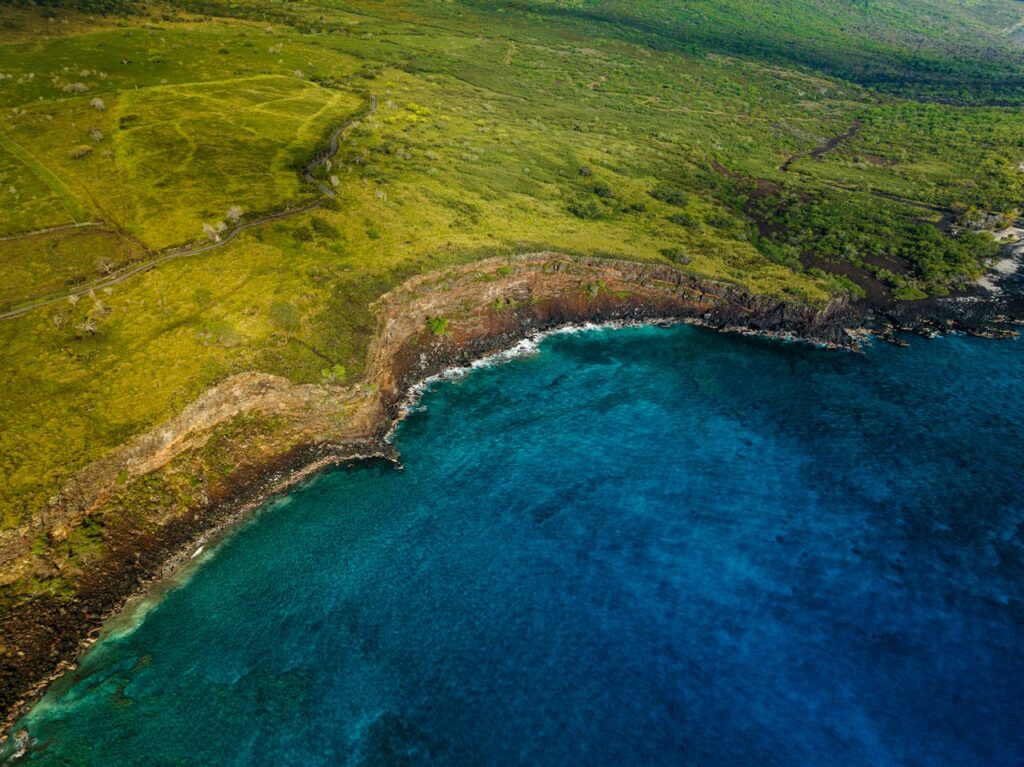
Papakōlea Beach, often called the Green Sand Beach, is one of the most extraordinary natural wonders in Hawaii — and one of only four green-sand beaches in the entire world. Located near the southern tip of the Big Island, close to South Point (Ka Lae), Papakōlea is a geological marvel where the sand shimmers with olive-green crystals (called olivine) created by a 49,000-year-old volcanic cone known as Pū Mahana.
This remote bay feels otherworldly: surrounded by rugged cliffs, windswept plains, and endless ocean views. The vivid green sand, golden cliffs, and turquoise water create a surreal contrast unlike any other Hawaiian beach. Getting here takes effort — it’s 2.5 miles (4 km) each way on foot or by a rough 4×4 track — but the reward is a secluded, unforgettable scene that captures Hawaii’s wild, volcanic spirit.
📜 History & Unique Features
The volcanic cinder cone Pū Mahana erupted tens of thousands of years ago, and erosion over time released the green mineral olivine from the basalt. The grains gathered in the bay, tinting the beach its famous olive hue. Locals consider Papakōlea an important cultural and natural treasure — part of Hawaii’s living volcanic heritage.
Its remote setting near Ka Lae (South Point), the southernmost tip of the United States, adds to its allure and isolation. The cliffs surrounding the bay shelter it from strong winds, creating a protected amphitheater of sand and sea.
🎯 Things to Do
-
Hike the 2.5-mile coastal trail from the parking area to the beach.
-
Admire the green sand and take photos — one of Hawaii’s rarest sights.
-
Picnic or rest along the cliffs overlooking the bay.
-
Swim cautiously on calm days only — strong currents and no lifeguards.
-
Visit South Point (Ka Lae) nearby, the southernmost point in the U.S.
🏖️ Nearby Amenities & Attractions
-
Facilities: None — bring water, food, and sun protection.
-
Parking: Located near South Point Road; park at the trailhead and hike in.
-
Access: Only 4×4 vehicles can drive the rough road; walking is recommended to preserve the landscape.
-
Nearby Attractions: Ka Lae (South Point), Whittington Beach Park, and Punaluʻu Black Sand Beach (about 40 minutes away).
☀️ Best Time to Visit
-
April – October: Dry season; best hiking and calmer surf.
-
Morning hours: Cooler temperatures and softer light for photography.
-
Avoid mid-day heat: No shade along the trail; afternoons can be very windy.
💡 Tips & Local Insights
-
Bring plenty of water, a hat, and reef-safe sunscreen — there are no facilities at the beach.
-
The trail is exposed and dusty; wear sturdy shoes or hiking sandals.
-
Do not take any sand — it’s protected by law.
-
Avoid paying unauthorized drivers offering rides; they damage the fragile environment.
-
Stay on marked trails to protect vegetation and reduce erosion.
-
Plan at least 2–3 hours total for the hike and time at the beach.
Plan Your Visit
Plan Your Beach Trip
Turn your beach search into a complete trip — book stays, discover experiences, and prepare like a pro.
Beach Hours
Contact Information
Location
Find More Beaches Near You — Instantly
Don’t stop at just one beach. Use BeachNearMe™ to discover nearby beaches based on your location, compare options, and plan your next beach trip in seconds.
🔎 Find Beaches Near MeMedia
Leave a Review for Papakōlea Green Sand Beach
Venice Beach – Florida
- +19414862626
- 101, The Esplanade South, Venice Beach, Venice, Sarasota County, Florida, 34285, United States
- https://www.venicegov.com/visiting/venice-beach
Longport Dog Beach
- Egg Harbor Township, Atlantic County, New Jersey, 08234, United States
Lovers Key State Park
- +12397076328
- 8700 Estero Blvd, Fort Myers Beach, FL 33931
- https://www.floridastateparks.org/park/Lovers-Key